Leave Your Message
0%

Sodium Lauryl Ether Sulfate, or SLES for short, is pretty common in beauty and cleaning products these days. It’s known for creating lots of foam and doing a good job cleaning, so you’ll find it in shampoos, soaps, and detergents all the time. But, hey, it’s also really important to know what the safety info actually says. If you check out theMSDS for SLES, you’ll find details about how to handle it properly, exposure limits, and any potential hazards to watch out for.

According to the Personal Care Products Council, SLES is generally safe for us consumers — but only if you follow the guidelines. That said, some folks with sensitive skin might react because it can be an irritant. Big companies like Procter & Gamble and Unilever have strict safety rules in place when they use this ingredient, which is reassuring. Still, it’s super important to look at the MSDS because it gives you all the safety info you really need.

And don’t forget—being aware of the rules and standards is a must. The Global Harmonization System (GHS) helps ensure chemicals like SLES are properly cLASsified and labeled, especially if they’re hazardous. As people become more conscious of chemical safety, brands need to be totally transparent about what they’re using. Bottom line? Checking out reliable safety data helps us, as consumers, make smarter choices about products with SLES in them.

Top 5 Sodium Lauryl Ether Sulfate MSDS You Must Know?

What is Sodium Lauryl Ether Sulfate (SLES)?

Top 5 Sodium Lauryl Ether Sulfate MSDS You Must Know?

Sodium Lauryl Ether Sulfate (SLES) is a versatile surfactant. It is often found in personal care products like shampoos and body washes. Known for its foaming and cleansing properties, SLES helps remove dirt and oil from skin and hair. Despite its popularity, there are concerns regarding its potential irritability, especially for sensitive skin.

SLES is derived from natural sources like coconut or palm oil. This makes it an appealing option for many formulators. However, the production process may introduce impurities. It's essential to check labels for specific formulations if you have sensitivities.

**Tip:** If you have sensitive skin, consider conducting a patch test before using products containing SLES. This step can help avoid potential irritation.

With its ability to produce rich lather, Sodium Lauryl Ether Sulfate Sodium Salt can enhance the user experience. Yet, it’s important to be mindful of its concentration in products. Too high a concentration may lead to dryness or irritation over time.

**Tip:** Look for formulations that balance SLES with moisturizing ingredients. This can mitigate any drying effects while still benefiting from its cleansing properties. Always prioritize personal comfort and skin health when selecting products.

Chemical Properties and Composition of SLES

Sodium Lauryl Ether Sulfate, commonly known as SLES, is a widely used surfactant. It is derived from natural sources like coconut or palm oil, which adds to its appeal. This compound is primarily known for its excellent foaming and cleaning properties. SLES plays a crucial role in many personal care products, including shampoos, body washes, and facial cleansers.

The chemical composition of SLES includes sulfuric acid esters of alcohols, typically ethoxylated fatty alcohols. This unique structure enhances its ability to reduce surface tension, making it effective in removing dirt and oils. SLES is often preferred due to its mildness compared to other sulfate surfactants. However, it can occasionally cause skin irritation in sensitive individuals. Understanding its properties helps in better formulation of products.

While SLES is a valuable ingredient, it is not without flaws. There are concerns regarding the manufacturing process, which can lead to impurities like 1,4-dioxane, a potential carcinogen. Awareness of these issues is essential for consumers and formulators alike. Precautionary measures and quality controls in production are vital to ensure safety. This highlights the need for continuous evaluation of Sodium Lauryl Ether Sulfate in various applications.

Health Hazards Associated with SLES Exposure

Sodium Lauryl Ether Sulfate (SLES) is widely used in personal care products. While it is effective in cleansing, exposure can lead to several health hazards. Skin irritation is one of the most common issues. Redness or rashes may occur after contact. Some individuals may even experience allergic reactions.

Breathing in SLES can cause respiratory irritation. Symptoms may include coughing and difficulty breathing. This is particularly concerning for those with asthma or other respiratory conditions. Eye contact with SLES can lead to significant irritation. This could result in serious discomfort or even corneal damage.

**Tips:** Always use protective gear when handling products containing SLES. This includes gloves and safety goggles. Ensure good ventilation in areas where SLES is used. Regularly wash areas where SLES is applied to prevent buildup. If irritation occurs, seek medical advice immediately. Understanding the potential hazards of SLES can help you use the product safely.

Top 5 Sodium Lauryl Ether Sulfate MSDS You Must Know

Property Description
Chemical Name Sodium Lauryl Ether Sulfate
CAS Number 68585-34-2
Physical State Liquid
Health Hazards Irritation to skin, eyes, and respiratory tract
First Aid Measures Rinse affected area with water; seek medical attention if irritation persists.
Storage Conditions Store in a cool, dry place away from incompatible materials.
Environmental Hazards May be harmful to aquatic life; avoid release into the environment.

Environmental Impact of Sodium Lauryl Ether Sulfate

Sodium Lauryl Ether Sulfate (SLES) is widely used in cosmetics and household products. Its environmental impact raises concerns. Research indicates that SLES can be toxic to aquatic life. In fact, studies show SLES can adversely affect fish and aquatic plants at low concentrations. Such findings highlight the need for caution.

The biodegradability of SLES is another issue. While SLES is considered biodegradable, some studies suggest incomplete breakdown can occur. This remains a key concern for water quality management. Prolonged exposure to SLES in water systems could lead to ecosystem imbalances. Thus, addressing the disposal of SLES-containing products is essential.

**Tip:** Always choose eco-friendly alternatives when possible. Smaller amounts of SLES may pose less risk. Regular monitoring of water sources can help mitigate impacts. Engaging with local environmental agencies can provide more insights on sustainable practices related to SLES use.

Safety Precautions for Handling SLES

Sodium Lauryl Ether Sulfate (SLES) is commonly used in many cleaning products. Handling this substance requires care. One key precaution is to always wear protective gear. Gloves and goggles can help prevent skin and eye irritation. Breathing in dust or vapors is also a risk. A mask can minimize respiratory exposure.

Storage matters too. Keep SLES in a cool, dry place. Ensure the containers are sealed tightly. Check for leaks regularly. If a spill occurs, clean it up immediately. Use suitable absorbent materials. This helps to avoid slips and further exposure.

Training is essential for everyone involved. Understand how to read Material Safety Data Sheets (MSDS) before using Sodium Lauryl Ether Sulfate 70%. Regular refresher courses keep knowledge fresh. Misunderstanding safety protocols can lead to accidents. It’s a reminder that safety is everyone’s responsibility. Each step helps to create a safer work environment.

Safety Precautions for Handling Sodium Lauryl Ether Sulfate (SLES)

Storage and Disposal Guidelines for SLES

When handling Sodium Lauryl Ether Sulfate Liquid (SLES), proper storage and disposal are critical. It's essential to keep SLES in a cool, dry area. The storage space should be well-ventilated. Avoid direct sunlight and extreme temperatures. Containers must be tightly sealed to prevent leaks. Check for any signs of wear and tear on packaging often.

Disposal of Sodium Lauryl Ether Sulfate Liquid requires careful consideration. Local regulations should always guide disposal methods. If you are not sure about disposal options, consult with environmental agencies. Never pour SLES down the drain without proper treatment. This liquid can harm aquatic life. Using appropriate waste containers is necessary to avoid spills.

Understanding these guidelines is fundamental for safety. Accidental exposure can occur, so have safety gear ready. Regular training for staff is beneficial. Everyone should know how to respond in case of an emergency. With proper handling, Sodium Lauryl Ether Sulfate Liquid can be used safely in various applications.

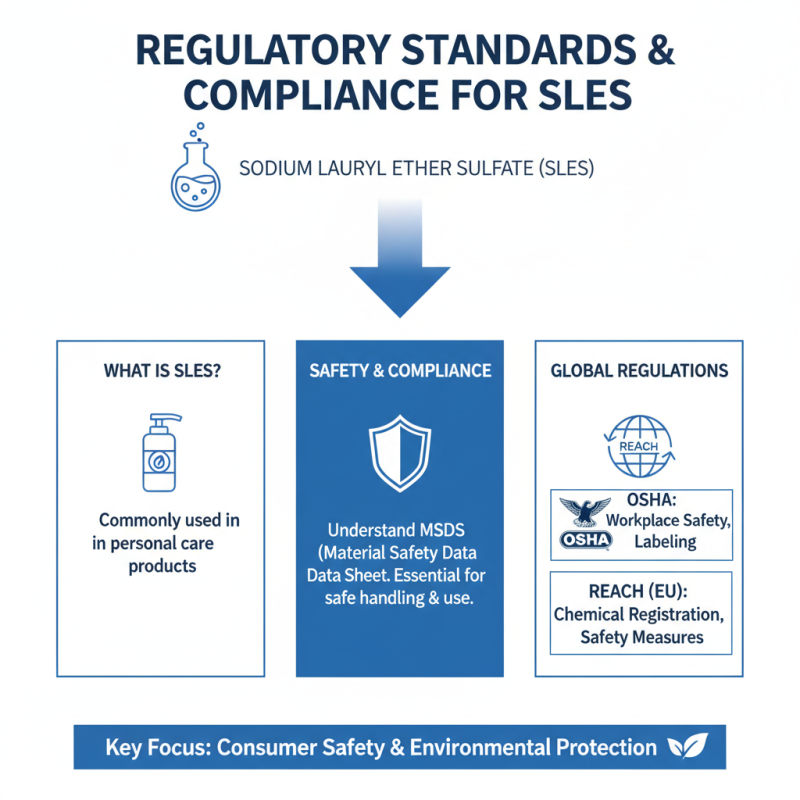
Regulatory Standards and Compliance for SLES

Top 5 Sodium Lauryl Ether Sulfate MSDS You Must Know?

Sodium Lauryl Ether Sulfate (SLES) is commonly used in personal care products. Understanding its MSDS is essential for safety and compliance. Various regulatory standards guide its use across different regions. These include OSHA and REACH regulations, which mandate specific labeling and safety measures.

Companies must ensure SLES formulations comply with safety and environmental regulations. Regular audits and assessments are crucial. They help identify potential risks associated with chemical handling and storage. While guidelines exist, gaps often remain in effective implementation. Many firms struggle with staying updated on evolving regulations.

Comprehensive training programs can mitigate knowledge gaps. Educating employees about SLES hazards enhances workplace safety. However, the challenge lies in maintaining consistent training in a fast-paced industry. It’s not just about compliance; it’s about fostering a culture of safety and responsibility. Manufacturers must remain vigilant.

FAQS

: What is SLES commonly used for?

: SLES is primarily used in personal care products. It's found in shampoos, body washes, and facial cleansers.

What are the chemical components of SLES?

SLES consists of sulfuric acid esters of ethoxylated fatty alcohols. This structure helps it clean effectively.

Can SLES cause skin irritation?

Yes, SLES may irritate sensitive skin in some individuals. Awareness is crucial for users.

How should SLES be stored?

Store SLES in a cool, dry place. Ensure it's well-ventilated and avoid extreme temperatures.

What are safe disposal methods for SLES?

Follow local regulations for disposal. Never pour it down the drain without treatment to protect aquatic life.

Why is training important for SLES handling?

Regular training helps staff understand SLES hazards. It promotes safety and awareness in the workplace.

What regulatory standards affect SLES?

Various standards, including OSHA and REACH, guide SLES usage. Companies must adhere to these regulations for safety.

What are common challenges in SLES compliance?

There are often gaps in effective implementation of regulations. Companies struggle to stay updated on changes.

What precautions should be taken with SLES?

Use safety gear when handling SLES. Regular checks on storage containers prevent spills and leaks.

How can companies ensure safety with SLES?

Conduct audits to identify risks. A culture of safety is vital, alongside consistent employee training.

Conclusion

Sodium Lauryl Ether Sulfate (SLES) is a widely used surfactant known for its cleansing and foaming properties, commonly found in various personal care and household products. Understanding the Chemical Properties and Composition of SLES is essential for safe usage, as it also comes with Health Hazards associated with exposure, which can include skin irritation and respiratory issues. Furthermore, the Environmental Impact of SLES is a critical consideration, as it can affect aquatic life when released into water systems.

To ensure safety when handling SLES, individuals should follow recommended Safety Precautions, including the use of personal protective equipment. Adhering to Storage and Disposal Guidelines is equally vital to mitigate exposure risks and environmental harm. Lastly, familiarity with Regulatory Standards and Compliance for SLES helps manufacturers and users maintain safe practices. For detailed information regarding safety measures, the Sodium Lauryl Ether Sulfate MSDS is an essential resource that provides comprehensive guidelines on safe handling and potential hazards.

Lila

Lila

Lila is a dedicated marketing professional at Yangzhou Everbright Chemical Co., Ltd., where she has been making significant contributions since February 2017. Located in the picturesque city of Yangzhou, part of China's vibrant Yangtze River Delta, Lila excels in the import and export of inorganic......
Previous 4A Zeolite Detergent Formulation Best Options for Buyers?